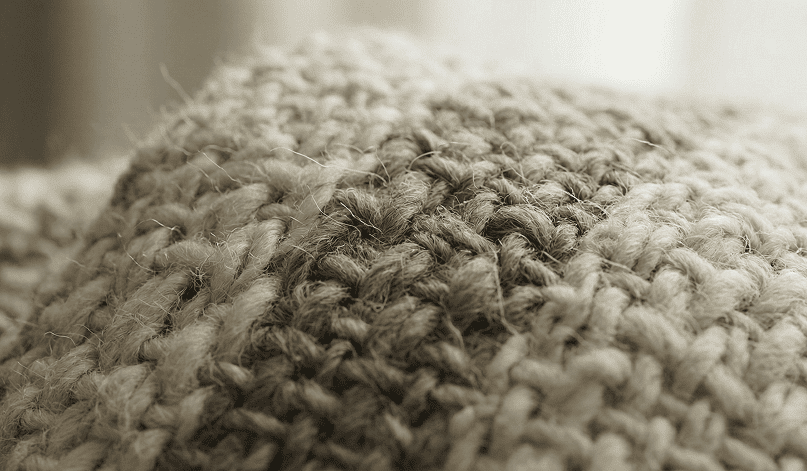
When buying woolen products, most people think about warmth first. But what really matters over time is how the product behaves after years of use. Does it hold its shape? Does it feel the same after multiple winters? Does it age well or wear out quickly?
Handcrafted woolens are often more expensive than machine-made ones, but there are clear reasons why they last longer and perform better over time. This difference becomes obvious not in the first few weeks, but after years of regular use.
This article explains why handcrafted woolens are a better long-term choice, especially if you value durability, comfort, and consistency.
1. Handcrafted wool uses stronger, natural yarns
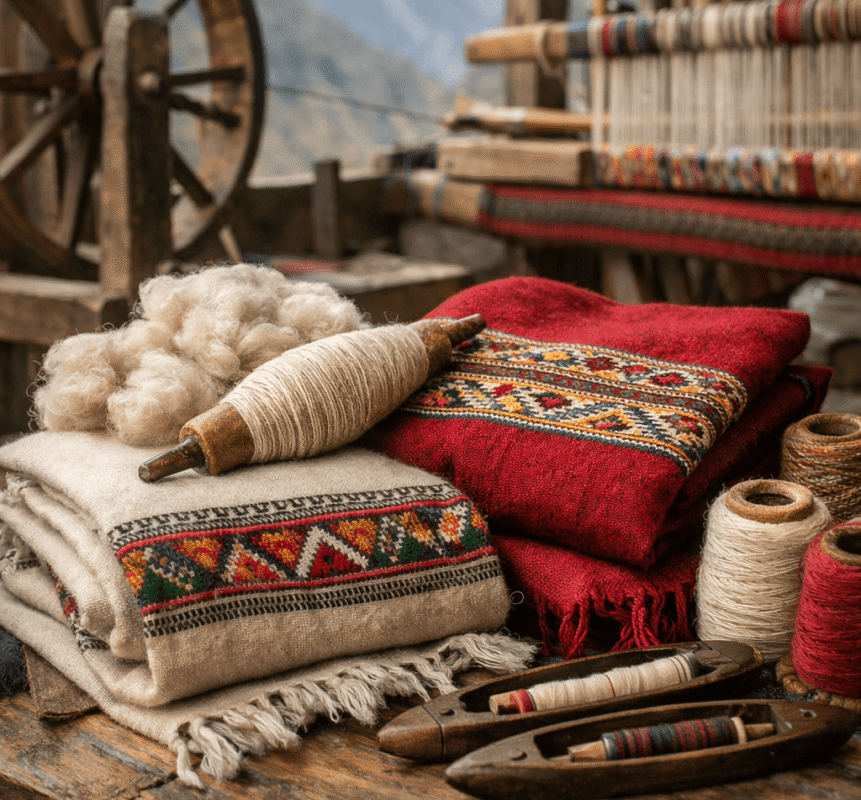
One of the biggest differences between handcrafted and mass-produced woolens lies in the yarn itself. Handcrafted woolens are usually made from thicker, more natural yarns that have not been overly processed.
Machine-made wool often uses highly refined fibers that are treated to look smooth and uniform. While this may look neat at first, these fibers tend to weaken faster. Over time, they lose elasticity, start pilling, and break down. Handcrafted wool yarn retains more of its natural strength. The fibers are less stressed during spinning and weaving, which allows the fabric to stay intact for much longer.
2. The weave is slower and more balanced
Handcrafted woolens are woven at a slower pace. This gives the artisan time to maintain even tension across the fabric. When the tension is balanced, the wool does not stretch unevenly or develop weak spots. In contrast, fast machine weaving prioritizes speed. This can lead to tight areas and loose areas within the same fabric. These inconsistencies often show up later as thinning patches or distorted shapes. A balanced weave helps handcrafted woolens hold their structure year after year, even with regular use.
3. Handcrafted woolens age instead of wearing out
Good wool does not remain exactly the same forever. It changes, but in a gradual and natural way. Handcrafted woolens tend to soften with use rather than deteriorate. Over time, the fabric becomes more flexible and comfortable while still retaining warmth and shape. This is especially noticeable in shawls and stoles that are worn often.
Machine-made woolens often go the opposite way. They may feel soft initially but lose structure quickly. After repeated wear and washing, they can feel thin, flat, or lifeless.
4. Repairs are easier and more effective
Another advantage of handcrafted wool is that it is easier to repair. If a thread loosens or a small tear appears, the structure of the fabric allows for careful mending.
Handwoven fabrics have visible, understandable construction. This makes it possible to reinforce weak spots without damaging the rest of the piece. Many machine-made woolens are tightly bonded or chemically treated, making repairs difficult or ineffective. Once damaged, they often cannot be restored properly.
5. Comfort improves with time
Long-term use is not only about durability but also about how the product feels after years of wear. Handcrafted wool adapts to the wearer. It becomes more breathable, more flexible, and more familiar. This makes it comfortable across different temperatures and settings.
Many people notice that a well-made woolen shawl becomes their most reliable piece, something they reach for every winter without thinking.
6. Less processing means fewer long-term issues
Mass-produced wool often goes through heavy chemical processing to make it softer, lighter, or more uniform. These treatments can weaken the fibers and reduce the lifespan of the fabric.
Handcrafted woolens usually involve minimal processing. The wool retains its natural properties, including its ability to regulate temperature and resist wear. This natural balance helps the fabric stay functional for many years without losing its core qualities.
7. Long-term value outweighs initial cost
While handcrafted woolens may cost more upfront, their long lifespan often makes them more economical in the long run.
A shawl that lasts ten or fifteen years offers far greater value than one that needs replacing after two or three seasons. This is especially true for winter essentials that are worn regularly. Choosing quality once often reduces the need to buy repeatedly.
Conclusion
Handcrafted woolens are made with time, care, and attention to material. These factors directly affect how the fabric performs over the years.
They hold their shape better, soften with use, and remain dependable season after season. For anyone looking to invest in woolen products that truly last, handcrafted pieces are a thoughtful and practical choice.
Long-term use is not just about durability. It is about comfort, reliability, and trust in what you wear. Handcrafted woolens deliver on all three.
Handwoven Shawls
Women Shawls
Handwoven Wool Stoles
Himachali Muffler
Himachali Topi